Baseball Mom Shield Badge: An Embroidery Review
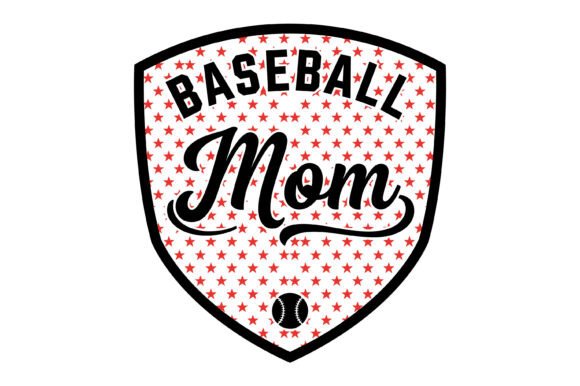
When evaluating a new machine embroidery design for commercial or personal use, I look beyond the digital preview. As a designer who regularly produces custom apparel and handmade products, my primary concern is how a graphic translates from screen to fabric. The Baseball Mom Shield Badge Design immediately caught my attention as a versatile asset for the sports parent niche. It balances bold typography with a classic shield silhouette, creating a sense of team pride that feels both nostalgic and modern. However, before loading this embroidery file into my machine, I needed to assess its structural integrity for real-world stitching on everything from heavy sweatshirts to lightweight tote bags.
First Impressions and Visual Hierarchy
The initial appeal of this design lies in its balanced composition. Shield badges are inherently structured, which makes them excellent candidates for embroidery because they provide a natural boundary for stitching. In reviewing the Baseball Mom Shield Badge Design, the typography appears legible and well-spaced, a critical factor when converting vector art into stitches. Too often, sports graphics suffer from cramped lettering that turns into an unreadable mess once thread tension is applied. This design seems to respect the physical limitations of thread, offering enough negative space between elements to prevent puckering.
As a set of Graphics intended for T-Shirt Designs, the visual weight is appropriate. It does not feel overly dense, which suggests it could work well as a left-chest placement rather than just a full-back print. For an Etsy seller or craft business owner, this versatility is key. You want design assets that can scale across different products without requiring significant digitizing adjustments. The inclusion of editable AI and EPS files alongside standard formats like PES or DST (implied by the vector nature) allows for necessary customization, such as swapping "Mom" for "Dad" or adding a specific team year, provided you have the software to do so.
Real-World Application: The Sweatshirt Test
To truly judge this design, I mentally walked through a recent client project involving custom crewneck sweatshirts for a local little league fundraiser. Sweatshirt fleece is a challenging substrate; it is thick, stretchy, and prone to shifting. When applying the Baseball Mom Shield Badge Design to this type of garment, the shield shape acts as a stabilizing anchor. Unlike free-floating script text, which can distort on fleece, the enclosed badge format helps maintain registration.
For this specific embroidery project, I would recommend using a medium-weight cutaway stabilizer rather than tear-away. The density of the shield’s border, likely a combination of satin stitch and fill stitch, requires a stable foundation to prevent the fabric from tunneling. If you are creating a personalized gift or boutique merchandise, taking this extra step ensures the final product looks professional and withstands washing. The design’s aesthetic lends itself perfectly to this application, evoking a vintage varsity feel that customers currently love. It transforms a generic blank into a high-value finished product that resonates emotionally with the buyer.
Navigating Fabric Limitations and Hoop Sizes
While the Baseball Mom Shield Badge Design excels on stable knits and fleece, caution is required for lighter or more textured materials. If you plan to use this for a tote bag design on unlined canvas, the density might be too high for the fabric's weave, potentially causing stiffness or needle perforation issues. In such cases, checking the stitch density in your editing software is mandatory. You may need to reduce the underlay or convert solid fill areas to lighter motifs to preserve the drape of the bag.
Similarly, when considering baby embroidery or items for youth athletes, scaling down becomes a technical challenge. Shields often contain intricate borders and small text. Reducing the design below 3 inches can cause the satin stitch columns to become too narrow, leading to thread breaks or poor coverage. Always verify the minimum safe size before committing to a production run. For curved surfaces like caps, the flat geometry of a shield can be tricky. While possible, it requires precise hooping and potentially a specialized cap frame to avoid distortion at the top and bottom curves of the badge. If you are a small shop product creator, test on a scrap cap first to ensure the alignment holds.
Commercial Viability and Presentation
For those selling digital embroidery file packages or finished goods, presentation is everything. The provided PNG Transparent and JPEG files are invaluable for creating accurate printable mockups. Before stitching a single sample, I always overlay the transparent PNG onto photos of blank garments to check contrast and placement. This saves time and thread. Does the white shield pop against a navy sweatshirt? Is the text visible on a heather gray tee? These visual checks determine whether a listing will convert sales.
The Baseball Mom Shield Badge Design has strong commercial potential because it targets a passionate demographic. Parents identify strongly with their role in their child's athletic journey. However, professionalism builds trust. Ensure your thread colors match the digital preview as closely as possible. If the design calls for metallic or variegated threads, note that in your product description, as these affect the final texture and sheen. For commercial embroidery businesses, consistency is key. Using the same thread brand and color codes across batches ensures that repeat customers receive identical quality.
Essential Designer Notes for Success
Before adding this design to your inventory or starting a batch of holiday embroidery gifts, adhere to these practical guidelines:
- Test Stitch First: Never skip the test run on the actual fabric you intend to use. A design that looks perfect on cotton twill may fail on performance polyester.
- Verify Licensing: Confirm whether your purchase includes commercial rights for selling finished items versus just personal use. This is crucial for Etsy sellers and makers.
- Check File Compatibility: While SVG, PDF, and AI are listed, ensure you have the correct machine-specific embroidery format. Vector files are for editing; your machine needs stitch data.
- Stabilizer Selection: Match your backing to the fabric weight. Use fusible mesh for stretchy knits to lock the fibers before stitching the shield border.
- Contrast Check: Evaluate the design in black and white during the planning phase to ensure the internal details of the shield remain distinct regardless of colorway changes.
- Edit Responsibly: If modifying the editable AI or EPS files to create variations, re-digitize or adjust stitch parameters accordingly. Simply resizing vectors does not automatically optimize stitch paths.
Final Thoughts on Value and Utility
The Baseball Mom Shield Badge Design represents a solid investment for makers focused on the family and sports niche. Its strength lies in its adaptable structure and clear visual communication. Whether used for a high-margin sweatshirt embroidery line or a sentimental embroidered patch for a memory quilt, it offers the professional polish that handmade buyers expect. By respecting the technical requirements of stitch density, stabilizer choice, and fabric compatibility, you can elevate this graphic from a simple digital download to a standout piece of wearable art. Remember, the best designs are those that survive the transition from pixel to thread with their integrity intact.