Cat Mom Hand Paw Bump: An Embroidery Review
As a designer who has digitized and stitched out countless pet-themed graphics, I approach every new machine embroidery design with a healthy dose of skepticism. We have all purchased files that look perfect on screen but turn into thread nests or unrecognizable blobs once they hit the hoop. When evaluating the Cat Mom Hand Paw Bump for potential use in my own production line and client work, I looked past the cute aesthetic to assess its structural integrity, stitchability, and commercial viability for real-world projects.
First Impressions and Visual Personality
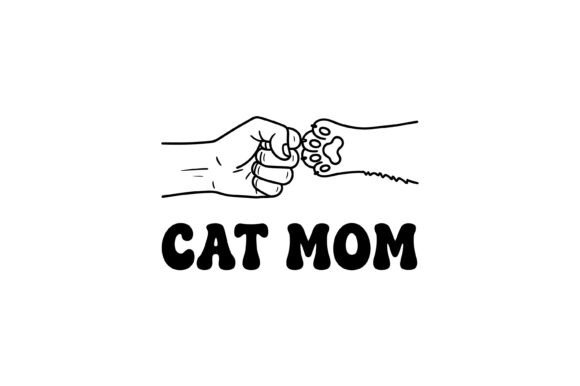
The immediate mood of this graphic is warm, playful, and distinctly modern. Unlike vintage cat illustrations that rely on heavy shading or complex realism, the Cat Mom Hand Paw Bump leans into clean lines and recognizable silhouettes. This is crucial for embroidery. The interaction between the human hand and the kitten paw creates a natural focal point that reads clearly even from a distance. As a piece of T-Shirt Designs inventory, it strikes the right balance between sentimentality and trendiness. It does not feel like generic clip art; it feels like an intentional illustration meant to celebrate the bond between owner and pet.
From a digitizing perspective, the layout suggests a manageable stitch path. The separation between the hand and the paw likely allows for color changes without excessive jump stitches, which is a massive time-saver during production. The visual weight appears balanced, meaning it should not pull or distort lightweight fabrics if hooped correctly. For an Etsy seller or craft business owner, this design communicates "handmade" and "personalized" instantly, which helps justify higher price points compared to mass-produced alternatives.
Real-World Application: Stitching a Custom Sweatshirt
To truly judge this asset, I mentally walked through a recent commission: a custom embroidered sweatshirt for a local animal shelter fundraiser. They needed a design that was gender-neutral, age-appropriate, and durable enough for frequent washing. The Cat Mom Hand Paw Bump was a top contender for this specific embroidery project.
When applying this to a fleece or French terry sweatshirt, the primary concern is fabric texture. Fleece can swallow fine details. However, because this design relies on bold shapes rather than microscopic texturing, it translates beautifully to napped fabrics. I envision using a soft cream thread for the hand and a charcoal grey for the paw to create contrast without being harsh. This application works exceptionally well as a left-chest placement or a centered yoke design. For a custom apparel line, this versatility is key. You can scale it down for a pocket logo or scale it up for a full-back print on a tote bag design.
I also considered this for a personalized gift set involving tea towels. Kitchen linens require designs that withstand high heat and aggressive laundering. The simplicity of the paw bump motif means there are fewer loose threads or tiny satin columns that could fray over time. It is a practical choice for functional items, not just decorative wall art.
Navigating Fabric Challenges and Hoop Limitations
While the design is versatile, no digital embroidery file is immune to physics. There are specific scenarios where you must exercise caution with the Cat Mom Hand Paw Bump. If you are working with stretchy jersey knits or performance wear, the interaction area between the hand and paw is a potential risk zone for puckering. You absolutely must use the correct stabilizer. A cut-away stabilizer is non-negotiable here to maintain the registration between the two elements. Using tear-away on stretch fabric will almost certainly result in misalignment after the first wash.
Be mindful of hoop size constraints when resizing. While the provided formats like SVG and EPS are scalable vectors, converting them to stitches requires respecting minimum column widths. If you shrink this design too small for a baby onesie or a cap, the satin stitches defining the fingers or toes may become too narrow to catch the bobbin thread reliably. Conversely, enlarging it significantly for a pillow cover may require adding underlay or splitting fill areas to prevent excessive density. Always check your software’s density settings before stitching out a resized version.
Dark fabrics present another variable. If you plan to stitch this on black or navy garments, ensure you have adequate contrast. A white hand and paw on black is classic, but if the design includes subtle shading or lighter grey tones, they may disappear against a dark background. Test your thread colors on a scrap of the actual garment material first. What looks distinct on a white PDF preview might blend into mud on dark cotton.
Commercial Value and Product Presentation
For those selling finished goods or digital assets, presentation is everything. The inclusion of transparent PNG and JPEG files makes creating printable mockups straightforward. You can easily overlay the design onto product photos for your shop listings without needing advanced editing skills. This speeds up workflow for small shop product launches and holiday sales.
However, professional integrity matters. Before listing any finished product featuring this design, verify the licensing terms included with your purchase. Just because you have the AI or EPS file does not automatically grant unlimited commercial reproduction rights. Respecting intellectual property builds trust with your customer base and protects your business. Additionally, if you are selling the embroidery file itself as part of a bundle, ensure you are allowed to redistribute or modify the source artwork.
The design’s broad appeal makes it excellent for seasonal rotations. It fits naturally into Mother’s Day collections, adoption anniversary gifts, and general pet lover merchandise. Because it avoids specific dates or names within the artwork itself, it remains evergreen. This reduces dead stock and increases the return on investment for your design library.
Essential Designer Notes for Success
Based on my evaluation, here are practical steps to ensure the Cat Mom Hand Paw Bump performs as expected in your studio:
- Test Stitch First: Never run this design directly on a final product without a test sew-out. Check the alignment of the hand and paw specifically, as this is the emotional core of the image.
- Verify File Compatibility: You receive SVG, PDF, JPEG, PNG, EPS, and AI files. Confirm which format your embroidery machine or digitizing software requires. Vector files (AI/EPS) are great for editing, but your machine likely needs a specific stitch format generated from these vectors.
- Assess Stitch Density: If digitizing from the vector source yourself, aim for a balanced density. Too dense, and the fabric bullets; too sparse, and the fabric shows through. Adjust based on whether you are using satin stitch for outlines or fill stitch for solid areas.
- Contrast Check: View the design in grayscale before selecting threads. If the hand and paw merge into the same shade of grey, you need to adjust your thread palette for better definition.
- Stabilizer Selection: Match your stabilizer to the fabric, not the design. Woven fabrics may handle tear-away, but knits and stretch materials demand cut-away support to preserve the shape of the paw bump.
- Mockup Accuracy: When using the provided PNG for marketing, add a slight texture or shadow effect to mimic real stitching. Flat digital previews can sometimes mislead customers expecting a raised, tactile handmade product.
The Cat Mom Hand Paw Bump is a strong candidate for both personal crafting and commercial production. Its clean geometry, emotional resonance, and adaptable layout make it a reliable asset for apparel decorators and makers. By respecting the technical requirements of embroidery and testing thoroughly on your chosen substrates, this design can become a staple in your creative repertoire, delivering consistent quality and customer satisfaction across a wide range of products.