Football Girl Laser Cut Earring File Review
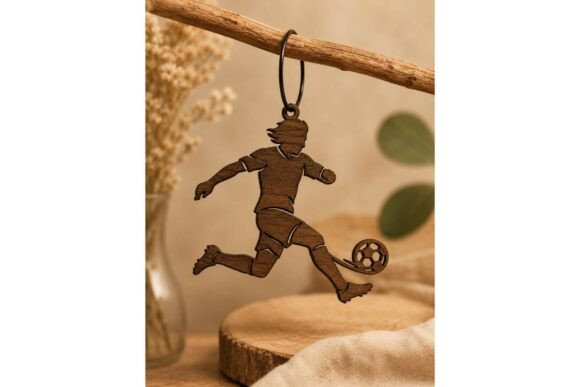
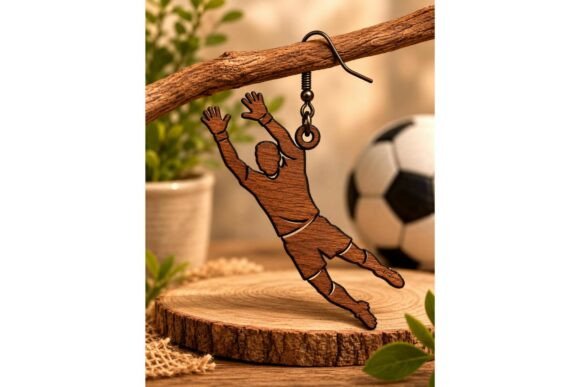
As a designer who constantly bridges the gap between digital assets and tangible handmade products, I approach every new file with a specific question: will this actually translate into a sellable, durable item? When I first opened the Football Girl Laser Cut Earring File, my immediate assessment was focused on its dual potential. While explicitly marketed as a template for laser cutting, the silhouette and dynamic pose of the female soccer player offer significant value for mixed-media creators and embroidery digitizers looking to adapt athletic themes for custom apparel and accessories.
The visual personality of this design is energetic yet clean. The "in-action" pose avoids the stiff, static look that often plagues sports graphics, giving it a modern feel that appeals to younger demographics and boutique buyers. For an Etsy seller or small shop owner, this isn't just a generic athlete clip-art; it is a stylized asset that suggests movement. Whether you are using this strictly for laser-cut acrylic earrings or adapting the vector lines to create an applique design for a sweatshirt, the foundational geometry appears solid enough to support professional finishing.
Real-World Application: From Digital Template to Custom Apparel
To truly evaluate this asset, I mentally placed it into a current client project: a line of personalized gear for a girls' youth soccer league. The client wanted something beyond the standard team logo—something that celebrated the individual players while maintaining brand consistency. This is where the Football Girl Laser Cut Earring File shines as a versatile base.
In this scenario, I envisioned adapting the laser cut template into a layered applique design for tote bags and warm-up jackets. The distinct outline required for laser cutting translates beautifully into a satin stitch border or a running stitch guide for fabric placement. Because the original file is designed for precision cutting, the edges are typically smoother than standard embroidery digitizing, which reduces the risk of jagged stitches when converting to a machine embroidery design. For a craft business owner, this means less time cleaning up nodes and more time focusing on thread colors and production efficiency.
I also considered how this would perform as a standalone embroidered patch. The dynamic kicking motion creates natural negative space, which is crucial when stitching on textured fabrics like canvas tote bags or fleece sweatshirts. If the design were too dense, it would pucker the fabric; if too sparse, it would lack definition. This template strikes a balance that suggests it can handle moderate stitch density without compromising the integrity of lighter garments.
Evaluating Stitch Performance and Fabric Compatibility
When integrating this design into an embroidery project, understanding how the shape interacts with different materials is non-negotiable. Athletic wear often involves performance fabrics, stretchy knits, and moisture-wicking blends, all of which present unique challenges.
- Stretchy Fabrics and Stabilizer: If you are applying this to a jersey or stretchy t-shirt, the "in-action" limbs of the soccer player could distort during stitching. You must use an appropriate cut-away stabilizer to maintain the aspect ratio. The laser-cut origin of the file implies sharp corners; ensure your embroidery software adds proper underlay to prevent these points from pulling away from the knit fabric.
- Textured Surfaces: On terry cloth towels or fuzzy blankets, fine details can get lost. Since this is originally a laser template, verify that the smallest elements (like the football or shoe details) are wide enough to accommodate a satin stitch column. If they are too thin for needle penetration on high-pile fabric, consider simplifying those areas into fill stitch zones or omitting them entirely for that specific application.
- Dark vs. Light Fabrics: The silhouette style works exceptionally well on dark backgrounds where contrast thread pops. However, on white or light fabrics, you may need to add a background element or increase the stitch density to prevent the design from looking washed out. Always test your thread colors against the actual garment material before running a full production batch.
Commercial Viability for Makers and Sellers
For those running a handmade product business, the commercial viability of a design hinges on its perceived value and reproducibility. The Football Girl Laser Cut Earring File supports high-value items because it targets a passionate niche. Soccer moms, coaches, and players are loyal customers who appreciate specific, accurate representation over generic sports icons.
If you are selling finished earrings, the laser cutting aspect ensures uniformity, which builds customer trust. Buyers expect identical pairs, and a precise digital file guarantees that consistency. For embroidery sellers, adapting this file allows for product line expansion. You could offer matching sets: laser-cut acrylic earrings for the player and a coordinating embroidered sweatshirt for the parent. This cross-category merchandising increases average order value and strengthens brand recognition.
Furthermore, the clean lines of this design make it ideal for printable mockups. Before committing to physical sampling, I recommend placing the vector or digitized version onto digital apparel templates. This allows you to gauge market interest and test colorway combinations without wasting stabilizer or thread. A strong mockup can validate whether the design resonates with your specific audience before you list it in your shop.
Critical Designer Notes for Safe Execution
While the design shows great promise, practical execution requires diligence. As with any digital asset adapted across mediums, assumptions can lead to wasted materials. Here are my essential technical recommendations for using this file safely and effectively:
- Verify Licensing Terms: Before selling any finished product or modified digital embroidery file derived from this template, confirm the license. Some laser cut files allow for physical sales but prohibit redistribution of the digital file itself. Protect your business by ensuring your intended use aligns with the creator's terms.
- Test on Scrap Fabric First: Never run this design directly on a final product without a test stitch-out. Check specifically for registration issues at the joints of the soccer player’s pose. If converting from vector to embroidery, ensure the jump stitches are minimized and trimmed properly to avoid messy backs on earring blanks or apparel linings.
- Check Hoop Size Constraints: The dynamic horizontal or diagonal layout of an action pose can sometimes exceed standard hoop dimensions unexpectedly. Measure the actual stitch area in your software. If resizing is necessary, do so within safe limits to prevent stitch distortion, especially around the football and facial features.
- Inspect Small Details: Laser cutters can handle hair-thin lines that embroidery machines cannot. Review the file for any elements thinner than 1mm. These may need to be thickened or removed to prevent needle breaks or thread shredding during the embroidery process.
- Washability Testing: If creating custom apparel or baby embroidery items, wash your test sample. Athletic gear gets laundered frequently. Ensure the stitch density and stabilizer choice hold up to agitation and heat drying without puckering or fraying.
Final Thoughts on Design Versatility
The Football Girl Laser Cut Earring File represents a smart investment for makers who understand cross-medium adaptation. Its strength lies in its clean, purposeful geometry that serves both the laser cutter and the embroidery machine equally well when treated with respect for each medium's limitations. Whether you are producing boutique jewelry, personalized holiday gifts, or team merchandise, this design offers a professional foundation that avoids the amateurish pitfalls of generic sports art.
Success with this file comes down to preparation. By respecting the technical requirements of stitch density, stabilizer selection, and fabric texture, you transform a simple digital template into a premium handmade product. For the creative entrepreneur, that translation from screen to stitch is where the true value—and profit—lies. Always prioritize testing and quality control, and this design will likely become a reliable staple in your athletic-themed product catalog.