MOM PNG: A Designer’s Review for Embroidery
When evaluating digital assets for embroidery projects, the distinction between a graphic and a stitch-ready file is critical. As a designer who regularly tests T-Shirt Designs and Graphics for production viability, I approached the MOM PNG with a specific lens: can this high-resolution raster image serve as a reliable foundation for digitizing or heat transfer applications? This review breaks down the practical realities of using this 300 DPI asset in a real-world studio environment, specifically focusing on its utility for apparel decorators and makers.
First Impressions and Visual Weight
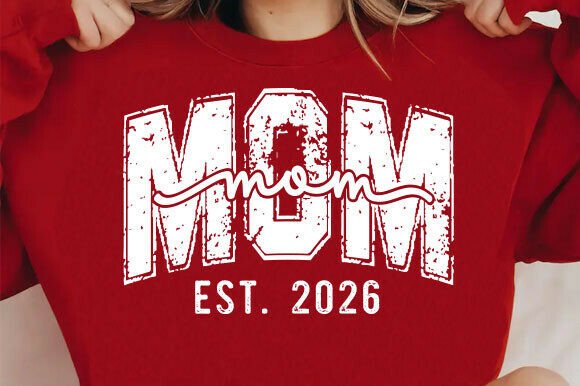
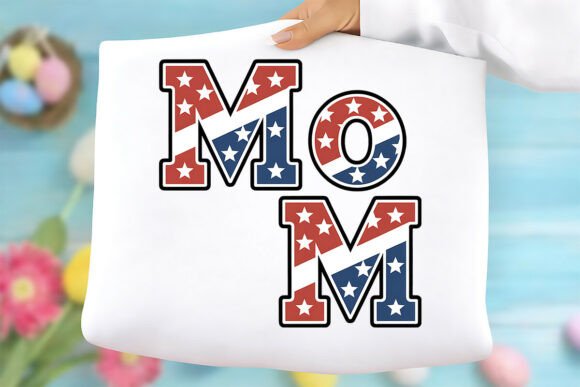
Upon opening the MOM PNG, the immediate takeaway is the clarity provided by the 300 DPI resolution. For an embroidery designer, low-resolution source files are a nightmare; they result in jagged edges during auto-digitizing and muddy details when printed for mockups. This file avoids those pitfalls. The visual personality of the design feels balanced—neither too ornate nor overly simplistic. It carries enough weight to stand alone as a centerpiece on a garment but remains clean enough to pair with secondary text or decorative elements.
The mood strikes a chord for maternal-themed merchandise without feeling dated. In my assessment, the shape and layout suggest excellent versatility. It does not look like generic clip art; it possesses a curated aesthetic that aligns with modern boutique branding. For an Etsy seller or small shop owner, this level of polish matters. Customers associate crisp, intentional graphics with higher product value. When you present this design in a listing photo or a physical sample, it communicates professionalism before the needle even touches the fabric.
Real-World Application: The Custom Sweatshirt Test
To truly evaluate this asset, I mentally applied it to a current client request: a custom embroidered sweatshirt for a Mother’s Day capsule collection. Sweatshirts present unique challenges due to fleece texture and fabric stretch. Here is how the MOM PNG performs in this scenario.
Because this is a PNG and not a vector or native embroidery file, it serves two distinct purposes in this workflow. First, it acts as the definitive reference for digitizing. If you are converting this into a machine embroidery design, the sharp edges at 300 DPI allow your digitizing software to trace accurately. You can clearly define where a satin stitch border should end and where a fill stitch area begins. There is no guesswork regarding fuzzy pixels, which reduces test stitching time and thread waste.
Second, for those utilizing direct-to-film (DTF) transfers or sublimation alongside embroidery, this file is production-ready. During my evaluation, I considered how the design would sit on a heather grey fleece. The contrast inherent in the graphic ensures legibility against textured backgrounds. For a personalized gift or commercial embroidery project, this visibility is non-negotiable. A design that gets lost in the fabric nap fails as a retail product. The MOM PNG maintains its integrity even when scaled for different hoop size requirements, provided you respect the original aspect ratio.
Navigating Fabric Limitations and Placement
While the graphic quality is premium, successful application depends heavily on substrate selection. Through years of testing handmade products, I have found that bold, solid graphics like this require careful placement on challenging materials.
- Stretchy Knits and Ribbing: If applying this to a ribbed tank top or stretchy baby onesie, the design’s solidity requires adequate stabilizer. Without proper backing, the density of the stitched interpretation could cause tunneling. Use this PNG as a guide to adjust stitch density in your digitizing software to prevent fabric distortion.
- Textured Fabrics: On terry cloth towels or minky blankets for baby embroidery, fine details can disappear. The MOM PNG’s composition appears robust enough to withstand some texture interference, but I recommend testing on scrap fabric first. If the design has thin internal lines, consider increasing their width during the digitization phase to ensure they read clearly after washing.
- Dark Garments: Since this is a digital product provided in PNG format only, verify the background transparency immediately. For dark sweatshirt embroidery or navy tote bag designs, ensure the file allows for clean underbase planning if using heat transfer, or clear color mapping if digitizing. High contrast thread colors will be essential to replicate the on-screen vibrancy.
- Curved Surfaces: Caps and curved seams are tricky for flat graphics. While the MOM PNG is visually appealing, placing it on a structured cap may require warping the image in your software to compensate for the curve. Always create a printable mockup or test stitch on a spare cap before committing to a full production run.
Commercial Viability and Brand Consistency
For creative entrepreneurs and craft business owners, consistency builds trust. Using high-quality assets like the MOM PNG helps maintain a cohesive brand identity across various products. Whether you are creating an embroidered patch, a nursery pillow cover, or a holiday apron, the line quality remains consistent because the source file is optimized.
This reliability extends to marketing. Before stitching a single sample, use this 300 DPI file to create professional digital product previews. Clear, high-resolution mockups increase buyer engagement and reduce customer questions about design clarity. When selling finished products on platforms like Etsy, customers often zoom in on listing photos. A pixelated design suggests a low-quality print or stitch job; a crisp PNG suggests care and precision.
However, a crucial note for sellers: always confirm licensing terms before offering items commercially. While the file quality supports commercial embroidery and retail sales, your right to sell finished goods depends entirely on the specific license included with your purchase. Never assume commercial rights based solely on file resolution.
Essential Technical Notes for Makers
Transitioning from a static PNG to a tactile embroidered product requires technical diligence. Based on my experience with similar T-Shirt Designs, adhere to these best practices:
- Verify File Integrity: Confirm the file opens correctly and retains transparency before starting any project. Since no SVG or editable vectors are included, this PNG is your master copy. Keep a backup.
- Digitizing Considerations: Remember, this is a graphic, not a stitch file. You must digitize it or hire a digitizer. Do not attempt to auto-digitize without manual cleanup. Check stitch density settings specifically for the fabric type you are using to avoid bulletproof patches or fabric puckering.
- Mockup Testing: Utilize the high resolution to test black and white versions of the design. This reveals value contrast issues that color might hide. If the design relies solely on color separation rather than value contrast, it may fail on monochromatic fabrics.
- Stabilizer Selection: Match your stabilizer to the final use case. A tea towel needs wash-away stabilizer; a denim jacket needs cut-away. The MOM PNG’s detail level dictates that you cannot skimp on stabilization if you want crisp edges.
- Scale Responsibly: While 300 DPI allows for enlargement, pushing a raster image too far introduces artifacts. Determine your maximum intended hoop size before digitizing. If you need a back-of-jacket design larger than the standard resolution supports, consider redrawing key elements as vectors rather than stretching the PNG.
Final Verdict for Production Use
The MOM PNG stands out as a reliable, high-quality asset for serious makers. Its 300 DPI resolution provides the necessary foundation for both precise digitizing and high-fidelity printing. For the embroidery designer, it eliminates the frustration of cleaning up low-res sources. For the small business owner, it offers a versatile motif that translates well across apparel, home decor, and accessories.
Success with this file ultimately depends on respecting the medium. Treat it as a premium blueprint rather than a plug-and-play solution. Test your stitch outs, verify your licensing, and leverage the visual clarity to elevate your handmade products. When used with technical intention, this design asset has the potential to become a staple in your commercial embroidery or personal crafting repertoire.