My Favorite Dancer Calls Me Mom PNG Review
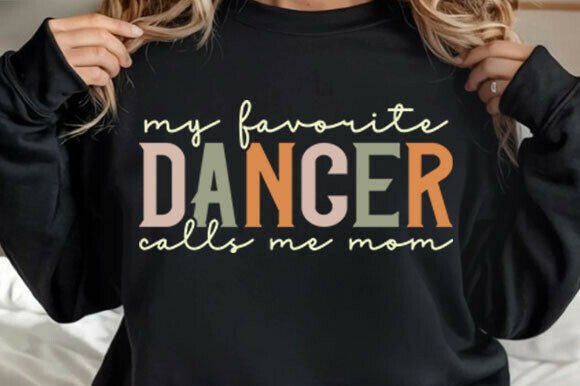
As a designer who spends more time behind an embroidery machine than a computer screen, I approach every new digital asset with a healthy dose of skepticism. When I first opened My Favorite Dancer Calls Me Mom Png, I wasn't just looking at a graphic; I was mentally digitizing it. This design falls squarely into the T-Shirt Designs category, but for those of us in the craft business and apparel decoration space, a PNG is merely the starting line. The true test is whether this unique design translates from pixels to thread without losing its charm or structural integrity.
The immediate impression of this artwork is one of sentimental clarity. It captures a specific niche—the proud dance mom—with a visual personality that feels personal rather than generic. However, as we know, what looks crisp on a monitor can become a muddy mess under a needle if the details are too fine or the contrast is poor. My evaluation here focuses strictly on the practical application of this graphics file for real-world embroidery projects, handmade products, and commercial merchandise.
Translating Screen Graphics to Stitched Reality
When evaluating My Favorite Dancer Calls Me Mom Png for a custom apparel project, specifically a sweatshirt or tote bag, the layout suggests a centered chest placement or a full-back print. For embroidery, however, we have to consider stitch density and fabric texture. If you are planning to use this as a base for a machine embroidery design, pay close attention to the typography. Dance-themed fonts often feature elegant serifs or flowing scripts. In a digital PNG, these look beautiful. In satin stitch, they can be problematic if the columns are too narrow or the curves too sharp.
I recently worked on a similar concept for a boutique client wanting personalized gifts for a recital. We found that while the graphic was stunning, converting it required adjusting the fill stitch areas to prevent puckering on lighter cotton blends. If you are using this PNG as a template for digitizing, ensure the dancer silhouette has enough width to support clean edges. A running stitch outline might get lost against the fabric grain, whereas a slightly bolder edge will define the shape clearly on finished products like aprons or pillow covers.
Real-World Application: The Recital Weekender Bag
To truly test the viability of My Favorite Dancer Calls Me Mom Png, let’s look at a specific scenario: creating a custom embroidered tote bag for dance competitions. This is a high-value item for any Etsy seller or small shop product lineup. The canvas texture of a tote bag is forgiving, but it also demands bold lines. Fine details in the dancer’s pose or facial features may disappear into the weave of the fabric.
In this context, the design works best when simplified for stitching. I would recommend treating this PNG as a guide for an applique design rather than attempting a direct high-density stitch-out. Using a felt or cotton twill applique for the dancer figure allows you to maintain the intricate shape of the original graphic without adding excessive stitch count or stiffness to the bag. The text "Calls Me Mom" should be rendered in a sturdy block or bold script font to ensure readability from a distance. This approach maintains the visual appeal of the original digital product while ensuring the handmade product remains durable and washable.
Navigating Fabric Challenges and Hoop Limitations
Not every surface is friendly to detailed graphics. While My Favorite Dancer Calls Me Mom Png is marketed as ready to print, embroidery requires different considerations. You must be cautious when applying this design to stretchy fabrics like performance wear or thin baby clothes. These materials shift easily, and if the design has dense fill stitch areas, you risk distortion or fabric damage.
For baby embroidery or lightweight tees, proper stabilizer selection is non-negotiable. A cut-away stabilizer is usually necessary to support the weight of the stitches. Additionally, consider the hoop size. If the design is large, hooping a small garment section can lead to alignment issues. Always test the design on scrap fabric first. I cannot stress this enough: never run a new digital embroidery file on a final product without a test stitch-out. Check thread colors against both light and dark backgrounds. A design that pops on white cotton might vanish on navy polyester unless you adjust the thread palette or add a white underlay base.
Commercial Viability and Brand Consistency
For creative entrepreneurs and makers, the value of My Favorite Dancer Calls Me Mom Png extends beyond a single project. It represents a potential product line. However, before listing finished items or selling customized gear, you must verify the licensing terms. Since this is a digital product and no physical item is mailed, the usage rights dictate your business model. Can you sell the embroidered patch? Can you offer the sweatshirt embroidery as a service? Confirming these details protects your craft business and builds customer trust.
From a branding perspective, consistency is key. If you use this graphic for holiday embroidery or seasonal merchandise, ensure it aligns with your shop's aesthetic. High-quality unique designs like this can elevate your perceived professionalism, but only if the execution matches the source art. Buyers engage with listings that show clear, realistic mockups. Use this PNG to create printable mockups for your Etsy listings, but always pair them with photos of actual stitched samples. This transparency reduces returns and sets accurate expectations regarding stitch texture and color variation.
Technical Notes for Makers and Digitizers
When incorporating My Favorite Dancer Calls Me Mom Png into your workflow, keep these practical designer notes in mind:
- Contrast Check: Before digitizing, convert the PNG to grayscale. If the dancer and the text blend together, you need to increase separation in your stitch file or use contrasting thread colors.
- Detail Management: Tiny elements like fingers, shoelaces, or hair ribbons often do not stitch well. Simplify these areas in your embroidery software to avoid thread breaks or bird nesting.
- Stitch Direction: Pay attention to stitch direction relative to the fabric grain. Horizontal stitches on vertical fabric can cause pulling. Align your fill stitch angles to complement the garment's drape.
- Mockup Testing: Test the design in black and white mockups to evaluate value contrast independent of color. This helps identify if the design relies too heavily on hue rather than form.
- Washability: If this is intended for frequent washing (like kitchen towels or baby items), avoid long floating stitches. Secure all edges and consider a tear-away topping for textured fabrics to keep stitches crisp.
Evaluating the Final Product Value
Ultimately, My Favorite Dancer Calls Me Mom Png is a versatile asset for the right maker. Its strength lies in its emotional resonance and clear thematic focus. For apparel decorators and digital product sellers, it offers a solid foundation for custom apparel and personalized gifts. However, success depends entirely on your technical adaptation. A PNG is a promise of a design; your embroidery skills are the fulfillment of that promise.
Whether you are creating a boutique product for a local studio or expanding your online catalog of design assets, treat this graphic with the respect due to any professional tool. Inspect small details, confirm hoop compatibility, and always prioritize the longevity of the finished product over speed. When executed with care, this design has the potential to become a staple in your collection of dance-themed merchandise, delighting customers and celebrating the bond between mother and dancer with every stitch.