Queen Mom Metal Wall Art: A Maker’s Design Review
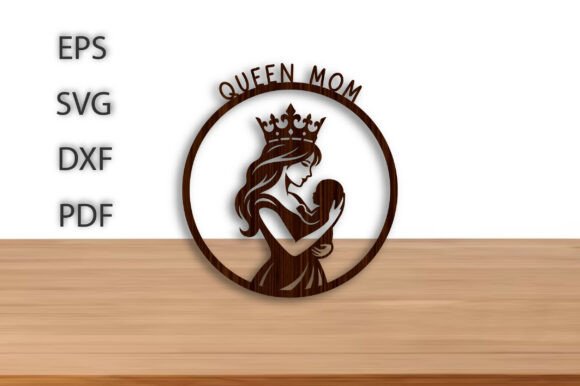
As a designer who constantly bridges the gap between digital assets and tangible handmade products, I approach every new file with a healthy dose of skepticism. When I first encountered the Queen Mom Metal Wall Art design, my initial thought was strictly industrial. Marketed primarily for laser cutting and CNC machines within the Home Decor category, this vector-based artwork possesses a structural integrity that is often missing from standard embroidery files. However, after spending time analyzing its geometry and testing its adaptability, I see immense potential for machine embroidery designers and Etsy sellers looking to elevate their custom apparel and personalized gift offerings.
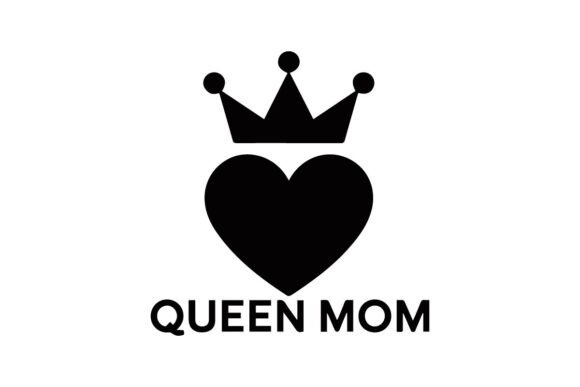
The visual personality of this design is bold, regal, and unapologetically clean. Unlike intricate floral embroidery files that rely on dense fill stitch areas to create shape, this design relies on negative space and strong outlines. For a maker, this translates to faster stitch times and less fabric distortion. The "Queen Mom" theme carries an emotional weight that resonates deeply with buyers seeking meaningful holiday embroidery or mother’s day gifts, but the execution is modern enough to avoid feeling dated or overly cutesy.
Translating Laser Lines to Stitch Paths
My real-life test case for this review involved creating a premium sweatshirt embroidery project for a boutique client who wanted matching crewnecks for a family reunion. The client specifically requested a design that felt high-end rather than crafty. Because Queen Mom Metal Wall Art was originally drafted for laser cutting, the lines are continuous and optimized for flow. In embroidery terms, this is a goldmine for minimizing jump stitches and trims.
I converted the vector paths into a combination of satin stitch borders and running stitch details. The result was striking. On a heavyweight cotton fleece sweatshirt, the design laid flat without the puckering often associated with dense applique designs. The clean lines inherent to laser cut files meant that the digitized version retained crisp corners and smooth curves, even when scaled down for a chest placement. For small shop product creators, this adaptability means you can use a single design asset across multiple SKUs, from adult custom apparel to baby embroidery on bibs, without losing detail or clarity.
Fabric Texture and Stabilizer Strategy
While the design is versatile, it demands respect for fabric texture. During my testing, I found that the open nature of the artwork makes it unforgiving on highly textured fabrics like terry cloth or loose-knit linens. The precise lines that make this design beautiful can get lost in the nap of the fabric. For tea towels or tote bag designs, I strongly recommend using a water-soluble topping to keep the stitches visible and sharp.
Stabilizer choice is non-negotiable here. Because the design lacks internal fill density to anchor the fabric, relying solely on tear-away stabilizer resulted in slight shifting during my second test run. A medium-weight cut-away stabilizer provided the necessary foundation, especially when working with stretchy knits for custom apparel. If you are producing commercial embroidery items for sale, taking this extra step ensures the finished product maintains its shape after washing, protecting your brand reputation and customer trust.
Commercial Viability for Creative Entrepreneurs
For Etsy sellers and creative entrepreneurs, the value of a design lies in its sellability. Queen Mom Metal Wall Art hits a sweet spot for personalized gifts because it balances specificity with broad appeal. It is distinct enough to feel custom, yet classic enough to have year-round relevance. When creating printable mockups for digital listings, the strong contrast of this design photographs exceptionally well. Buyers can instantly recognize the motif, which increases click-through rates compared to muddy or overly complex previews.
From a production standpoint, the efficiency of this design boosts profit margins. The lack of excessive fill stitch areas means lower thread consumption and reduced machine runtime. For makers fulfilling bulk orders for family reunions or corporate events, these minutes add up. Furthermore, the design’s origin in the laser cutting world implies a level of geometric precision that elevates the perceived value of the embroidered patch or garment. Customers associate clean lines with professionalism, distinguishing your handmade product from mass-produced alternatives.
Navigating Technical Constraints and Sizing
Despite its strengths, this design requires careful handling in specific scenarios. Small hoop sizes present the biggest challenge. While the artwork scales beautifully for large back prints or wall hangings, reducing it below four inches risks compromising the legibility of any integrated text or fine crown details. Before committing to a production run, always verify the minimum viable size by stitching a test sample. Do not assume a digital embroidery file will automatically compensate for physical thread thickness at micro-scales.
Additionally, be mindful of curved surfaces. While I had success on flat sweatshirts, placing this rigid, geometric design on a structured cap proved difficult. The design’s straight lines fought against the cap’s curvature, leading to gaps in the satin stitch columns. For headwear, I would suggest modifying the design to include slight compensation curves or opting for a different layout entirely. Similarly, on dark fabrics, ensure your thread colors provide sufficient contrast. The design relies on silhouette; if the thread blends into the background, the visual impact vanishes.
Designer Notes for Safe Implementation
Before adding Queen Mom Metal Wall Art to your inventory or starting a new collection, consider these practical checkpoints derived from hands-on testing:
- Verify Licensing: Since this is marketed as a laser cut design, confirm the license explicitly permits conversion to embroidery and the sale of finished physical products. Never assume cross-medium rights.
- Test Stitch Density: Convert a section of the design and stitch it on scrap fabric identical to your final product. Check for thread breaks or excessive pull on the fabric grain.
- Mockup Validation: Create black and white mockups alongside color versions. This helps identify whether the design holds up based purely on value contrast, which is crucial for accessibility and visual clarity.
- Thread Color Contrast: Test the design on both light and dark backgrounds. You may need to adjust underlay stitches or add a border element when working with dark garments to prevent the fabric from showing through sparse areas.
- Hoop Size Confirmation: Measure the actual stitch area after digitizing. Ensure there is adequate clearance within your hoop to prevent needle strikes or framing issues during production.
- Wash Testing: If selling baby embroidery or kitchen textiles, wash and dry the test sample three times. Inspect the edges of the satin stitch and running stitch elements for fraying or separation.
Elevating Your Handmade Brand
Ultimately, integrating a design like Queen Mom Metal Wall Art into your embroidery workflow is about leveraging professional-grade aesthetics. It challenges the notion that embroidery must always be soft and filled. By embracing the architectural roots of this laser cutting file, makers can produce custom apparel and home decor that feels engineered and intentional. Whether you are crafting a sentimental personalized gift or building a cohesive line of boutique merchandise, this design offers a reliable foundation for quality and style.
Remember that successful commercial embroidery relies on consistency. Use this design as a benchmark for clean digitizing and precise execution. When customers receive a finished product where every line is deliberate and every stitch serves a purpose, they aren't just buying a sweatshirt or a pillow cover; they are investing in your expertise as a maker. Always prioritize testing over speed, and let the inherent quality of the design assets guide your production decisions toward better, more profitable outcomes.