Santa's Tiniest Helper: Embroidery Design Review
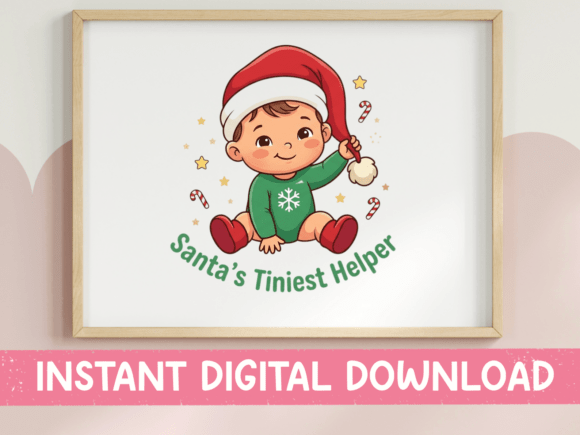
When evaluating a new machine embroidery design for the holiday season, I look for more than just festive charm; I look for stitch integrity and commercial viability. Santa's Tiniest Helper Christmas Baby immediately caught my eye as a contender for seasonal collections. The concept is undeniably sweet: a round-cheeked baby in a red Santa hat and a green snowflake onesie. For those of us running an Etsy seller shop or managing a craft business, this specific aesthetic targets a very lucrative demographic—new parents and grandparents expecting December babies. However, translating a cute graphic into a durable finished product requires a critical eye toward digitization and fabric compatibility.
First Impressions and Visual Personality
My initial assessment of Santa's Tiniest Helper Christmas Baby focuses on its emotional resonance and layout balance. The design possesses a soft, nostalgic mood that avoids looking cartoonish or cheap. The round cheeks suggest the use of rounded satin stitch columns rather than jagged angles, which is crucial for baby embroidery where safety and tactile comfort are paramount. The green snowflake onesie provides an excellent opportunity for texture variation, likely utilizing a fill stitch to differentiate the garment from the skin tones.
As a T-shirt design, the centered composition works well, but I also see strong potential for left-chest placement on sweatshirts or as a standalone embroidered patch. The visual weight appears balanced, meaning it shouldn't pull excessively on lighter knits if hooped correctly. For digital product sellers creating printable mockups, this design has high "stop-the-scroll" value because it clearly communicates "holiday newborn" without needing additional text.
Real-World Application: Stitching a Holiday Sweatshirt
To truly judge this embroidery file, I mentally walked through a recent client project: a custom holiday sweatshirt for a grandmother announcing her first grandchild due Christmas Eve. This scenario tests the design’s limits regarding size, clarity, and wearability. When stitching Santa's Tiniest Helper Christmas Baby onto a fleece-blend sweatshirt, the primary concern is fabric texture. Fleece can swallow fine details.
In this real-life application, I would treat the snowflake details on the onesie with caution. If they are merely running stitch outlines, they might disappear into the pile of the fleece. Ideally, these elements should have enough stitch density to sit on top of the fabric nap. For the face, smooth coverage is non-negotiable. Any gaps in the skin tone fill would ruin the professional appearance of the custom apparel. I found myself considering whether this file includes an underlay layer specifically designed for stretchy fabrics, as preventing puckering around the Santa hat brim is essential for maintaining that cheerful expression after washing.
Fabric Compatibility and Technical Caution Zones
While Santa's Tiniest Helper Christmas Baby is versatile, it demands respect for technical limitations. Not every surface is suitable for this level of detail. Here is where I advise fellow makers to exercise caution:
- Stretchy Knits and Ribbing: If using this as a sweatshirt embroidery or on a baby bodysuit, you must use appropriate stabilizer. A cut-away stabilizer is mandatory to prevent the design from distorting when the garment stretches. Hooping too tightly can cause permanent hoop burn on delicate baby fabrics.
- Textured Towels and Blankets: While adorable for nursery decor, terry cloth or minky fabrics require a water-soluble topping. Without it, the intricate snowflake patterns and facial features will sink into the pile, rendering the holiday embroidery muddy and unrecognizable.
- Dark Fabrics: Always check your thread colors against dark backgrounds. If the design relies on white outline stitches to define the Santa hat against a white background, placing it on a navy sweatshirt without modification could result in lost definition. Test on scrap fabric first.
- Small Hoop Sizes: Be wary of resizing this digital embroidery file down significantly. Reducing the size by more than 10-15% can cause satin stitches to become too narrow or fill stitches to overlap, leading to thread breaks or needle damage. Confirm the minimum safe dimensions before attempting 4x4 hoop projects.
- Curved Surfaces: Caps and curved tote bags present challenges. The flat perspective of a sitting baby may distort on a highly curved cap front. This design is likely safer for flat tote bag design work or pillow covers than for structured headwear.
Commercial Viability for Makers and Sellers
For the small shop product lineup, Santa's Tiniest Helper Christmas Baby offers significant value. It bridges the gap between general Christmas merchandise and personalized newborn gifts. From a business perspective, designs that evoke specific milestones (like a holiday birth) often command higher price points than generic seasonal graphics. As an applique design option, it could also reduce stitch count and production time while adding a premium mixed-media feel that customers love.
However, professionalism hinges on execution. A poorly stitched version of this design will hurt buyer engagement and trust. Customers expect crisp edges and vibrant contrast. Before listing any handmade product featuring this art, verify that the licensing allows for commercial embroidery. Never assume a design asset is cleared for sale; always review the terms. Additionally, ensure your listing photos show the actual stitched item, not just the digital preview, to manage customer expectations regarding size and color accuracy.
Designer Notes for Optimal Results
To get the most out of Santa's Tiniest Helper Christmas Baby, follow these practical steps before committing to a final embroidery project:
- Run a Sew-Out Test: Never stitch directly onto a sellable item first. Use a scrap of the exact fabric and stabilizer combination you intend to use. Inspect the registration between the face and the hat.
- Verify Thread Contrast: Check the red hat against the green onesie. Ensure there is sufficient contrast so the design reads clearly from a distance. Sometimes similar values in red and green can blend together in low light.
- Check Licensing: Confirm whether the embroidery file permits physical product sales, digital resale, or both. Protect your craft business by adhering strictly to usage rights.
- Evaluate Washability: Since this targets baby items, consider the end user. Will the threads hold up to frequent laundering? Using high-quality polyester or rayon threads and proper locking stitches at color changes prevents unraveling.
- Mockup Testing: Create black and white mockups to test value contrast. If the design looks flat in grayscale, it may need thread color adjustments to pop on colored garments.
Final Thoughts on Seasonal Stitching
Santa's Tiniest Helper Christmas Baby is a charming addition to any holiday catalog, provided it is treated with technical diligence. Its success as a personalized gift or boutique item depends entirely on the maker's understanding of fabric behavior and stitch mechanics. By respecting the nuances of stitch density, stabilizer selection, and fabric texture, you can transform this digital graphic into a cherished heirloom. Whether you are creating a keepsake for a December baby or stocking your Etsy shop for the Q4 rush, let quality execution be the hallmark of your work. Always prioritize the tangible reality of the stitched result over the digital promise, and your customers will recognize the difference in every loop and satin column.