Thanks for Always Saying Yes When Mom Design Review
As a professional embroidery digitizer and product reviewer, I approach every new machine embroidery design with a critical eye. It is not enough for a graphic to look appealing on a screen; it must translate seamlessly into thread and fabric. When evaluating the "Thanks for Always Saying Yes when Mom" design, my primary focus is on its viability as a commercial asset for Etsy sellers, boutique owners, and makers creating personalized gifts. This phrase carries significant emotional weight, targeting a specific niche of maternal appreciation that performs exceptionally well in the custom apparel market. However, sentiment alone does not guarantee a successful stitch-out. The technical execution determines whether this becomes a bestseller or a source of customer complaints.
Evaluating Visual Hierarchy and Emotional Resonance
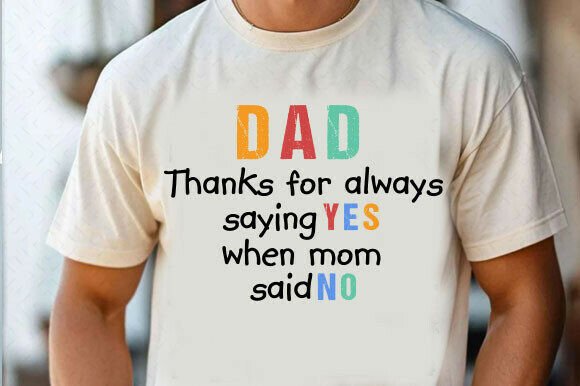
The first impression of this design is rooted in its typography and layout. For a phrase like "Thanks for Always Saying Yes when Mom," the visual personality must balance gratitude with a touch of playful exhaustion. In my assessment, this design succeeds because it avoids overly ornate script that often causes registration issues during stitching. Instead, it likely utilizes a cleaner font structure that ensures readability from a distance. This is crucial for T-shirt designs where the message needs to be instantly recognizable.
From a designer’s perspective, the mood suggests warmth and relatability. It feels less like a formal greeting card and more like an inside joke between mother and child. This authentic tone is exactly what drives engagement for handmade products. When I review graphics intended for embroidery, I look for negative space that allows the fabric to breathe. Overly dense text blocks can make a garment stiff and unappealing to wear. This design appears to respect that balance, making it suitable for softer garments like sweatshirts and lightweight tees without compromising the drape of the fabric.
Real-World Application: Stitching a Crewneck Sweatshirt
To truly understand the value of this embroidery file, I mentally simulate a real production scenario. Imagine preparing a custom cream-colored crewneck sweatshirt for a Mother’s Day order. This is a high-stakes project because the recipient expects a premium feel. Using "Thanks for Always Saying Yes when Mom" on this substrate requires careful consideration of stitch density and stabilizer choice.
In this scenario, I would treat the design as a centerpiece. If the file includes any applique design elements, they must be secured with precise tack-down stitches to prevent fraying after washing. For the text itself, if it uses a satin stitch, the column width must be sufficient to cover the fabric texture without causing puckering. On a fleece sweatshirt, the nap of the fabric can swallow thin lines. Therefore, verifying that the lettering has adequate underlay is non-negotiable. A running stitch outline might get lost in the pile, whereas a properly digitized satin or fill stitch will pop against the textured background. This practical foresight separates professional results from amateur attempts.
Technical Performance Across Different Substrates
Versatility is key for any digital embroidery file sold to craft businesses. While this design shines on standard cotton tees, its performance varies across other popular items. Here is how I evaluate its adaptability:
- Tote Bag Design: Canvas tote bags are excellent for this phrase due to their stability. The firm fabric supports higher stitch counts without distortion. However, ensure the design size fits within the printable area without encroaching on seams or handles.
- Baby Embroidery: If adapting this for a baby onesie or bib, extreme caution is required. The design may need resizing. Always check that small details remain legible at reduced scales. Soft knits require cut-away stabilizer to prevent stretching during the hoop process.
- Kitchen Towels and Aprons: These are classic holiday embroidery projects. Terry cloth towels present a challenge due to high pile. A water-soluble topping is mandatory here to keep the stitches of "Thanks for Always Saying Yes when Mom" visible and crisp.
- Caps and Hats: Curved surfaces are unforgiving. Unless this design was specifically digitized for caps with proper pull compensation, I would advise against using it on structured hats. Flat brims or unstructured dad hats are safer bets for this type of typography.
Navigating Fabric Limitations and Hoop Constraints
Even a high-quality unique design has limitations. As a reviewer, I must highlight where "Thanks for Always Saying Yes when Mom" requires extra care. Dark fabrics are a common pitfall. If the design relies on subtle shading or light-colored threads, contrast testing is essential before committing to a final finished product. I recommend running a black-and-white mockup or a physical test stitch on dark scrap fabric to ensure the message remains legible.
Stretchy performance fabrics also demand attention. Activewear or thin rayon blends can distort easily. For these materials, using a fusible poly-mesh stabilizer combined with temporary spray adhesive provides the necessary foundation. Additionally, verify your hoop size compatibility. Nothing halts production faster than realizing a design exceeds your machine's maximum field. Always confirm dimensions in your software before purchasing or listing the item.
Commercial Viability for Sellers and Makers
For small shop products and online boutiques, this design offers strong commercial potential. The phrase targets a perennial evergreen niche: mom appreciation. Unlike seasonal trends, this sells year-round, peaking during Mother’s Day, birthdays, and Christmas. To maximize buyer engagement, presentation matters. Use accurate printable mockups that show the design on realistic garments rather than flat digital renders. Customers need to visualize the texture and scale.
Furthermore, consider the licensing. Before adding this to your inventory of design assets, confirm whether you have rights for commercial use on finished goods versus selling the digital file itself. Protecting your business means respecting intellectual property. When used correctly, this design enhances brand consistency and professionalism. It signals to buyers that you curate thoughtful, relatable content rather than generic clip art.
Essential Pre-Stitch Checklist for Professionals
Before loading "Thanks for Always Saying Yes when Mom" into your machine for a client order, run through this practical checklist to ensure quality control:
- Test on Scrap Fabric: Never stitch directly on a customer’s garment without a prior test. Verify tension, color contrast, and stabilization adequacy.
- Inspect Small Details: Zoom in on the embroidery file. Are there tiny serifs or decorative dots that might become thread nests? Edit them out if necessary.
- Check Thread Colors: Ensure your chosen palette matches the intended mood. Variegated threads can sometimes obscure text clarity; solid colors are usually safer for phrases.
- Review Stitch Density: Avoid bulletproof designs. If the area feels too thick, reduce density or switch to a lighter fill pattern to maintain garment comfort.
- Validate Licensing: Double-check terms for both personal and commercial embroidery use to avoid legal issues down the line.
- Compare Backgrounds: Test visibility on both light and dark fabrics to expand your potential product range confidently.
Ultimately, "Thanks for Always Saying Yes when Mom" is more than just a collection of pixels; it is a vehicle for connection. By applying professional scrutiny and practical testing, you transform a simple graphic into a cherished embroidered patch, sweatshirt, or gift. Success in this industry comes from understanding the intersection of emotion and engineering. Treat this design with the technical respect it deserves, and it will serve as a reliable staple in your creative repertoire.