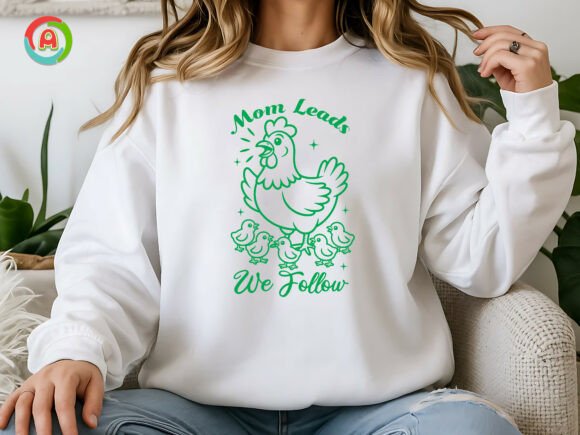
Mom Leads, We Follow: An Embroidery Design Review
As a professional embroidery designer and product reviewer, I approach every new machine embroidery design with a critical eye. It is not enough for a graphic to look charming on a screen; it must translate beautifully through needle and thread. When evaluating the "Mom Leads, We Follow" illustration, my immediate focus is on its viability for real-world production. This design features a proud mama hen with her chicks and a heartwarming quote, positioning it squarely in the farmhouse and country living aesthetic. However, beyond its visual charm lies a set of technical considerations that will determine whether this embroidery file becomes a bestseller in your shop or a source of frustration in the hoop.
First Impressions and Farmhouse Aesthetic
Upon loading the digital embroidery file, the layout immediately communicates warmth and nostalgia. The composition balances the illustrative elements of the hen and chicks with the typography of the quote. For makers targeting the modern farmhouse demographic, this balance is crucial. The design does not feel overly cartoonish, which expands its marketability from strictly nursery items to adult custom apparel and home decor. As an illustration categorized under graphics, it avoids the stiffness sometimes found in clip-art style digitizing. Instead, it suggests a softer, more organic flow that mimics hand-drawn artistry. This visual personality is exactly what buyers look for when seeking a personalized gift that feels authentic rather than mass-produced.
Real-World Application: Stitching a Market Tote
To truly judge this design, I mentally placed it onto a canvas market tote bag, a staple for both Etsy sellers and craft fair vendors. Tote bags present unique challenges due to the coarse weave of canvas and the lack of stretch. In this scenario, "Mom Leads, We Follow" needs to anchor well without distorting the fabric. If the design utilizes fill stitch for the hen’s body, I would be checking the density carefully. Too dense, and the canvas puckers; too sparse, and the fabric shows through, making the finished product look cheap.
For the text portion, clarity is paramount on textured surfaces. If the lettering uses a satin stitch, it must be wide enough to prevent sinking into the canvas weave but narrow enough to remain legible. During my evaluation, I consider how this would look after washing. A tote bag design must withstand wear. If the chicks have tiny details like eyes or beaks done in running stitch, those elements risk getting lost on a nubby fabric. In such cases, I might recommend using this design on smoother cotton twill totes or opting for a felt appliqué background to create a stable foundation for the intricate illustration work.
Navigating Fabric Textures and Stabilizer Choices
The versatility of "Mom Leads, We Follow" depends heavily on your material selection. While it shines on medium-weight cottons and linens typical of tea towels and aprons, caution is required elsewhere. For baby embroidery projects like onesies or knit blankets, the design’s complexity must be weighed against the fabric's stretch. Knits require a cut-away stabilizer and potentially a water-soluble topping to prevent stitches from burying themselves. If the original digitizing is heavy, it may cause the lightweight knit to sag. Always verify the stitch density before committing to delicate garments.
Conversely, for sweatshirt embroidery, the fleece texture can obscure fine lines. The mama hen’s feathers and the chicks' downy textures need sufficient definition to pop against the fuzzy nap of sweatshirt fleece. Here, color contrast becomes a vital tool. Using cream thread on a white sweatshirt might look subtle in a printable mockup, but in reality, it could disappear entirely. I advise testing high-contrast thread colors—perhaps a warm terracotta or sage green—to ensure the farmhouse palette translates effectively on plush fabrics.
Commercial Viability for Small Business Owners
For craft business owners and small shop product developers, time is money. A design that requires constant troubleshooting eats into profit margins. "Mom Leads, We Follow" appears optimized for standard production, but you must confirm the hoop size requirements match your equipment. If the design pushes the limits of a 4x4 hoop, registration issues may arise. Upsizing to a 5x7 hoop often yields better results for multi-element illustrations like this, allowing for better spacing between the hen, chicks, and text.
Furthermore, consider the licensing. Before listing any commercial embroidery products or selling the embroidered patch itself, verify that your purchase includes commercial rights for finished goods. Many designers restrict the resale of the digital file itself while permitting sales of physical items. Clarifying this protects your business. From a marketing perspective, this design offers excellent bundling opportunities. Pairing the mom-themed graphic with matching chick designs creates a cohesive collection for Mother’s Day or family reunion merchandise, increasing the perceived value of your design assets.
Technical Precautions and Designer Notes
Even the most beautiful illustrations can fail if technical basics are ignored. Based on my experience with similar graphics, here are practical notes for using "Mom Leads, We Follow" successfully:
- Test on Scrap Fabric First: Never stitch directly onto a final product without a test run. Use a scrap of the exact fabric and stabilizer combination you intend to use. Check for puckering, registration alignment, and text legibility.
- Review Small Details: Inspect the chicks’ facial features. If they are smaller than 2mm, they may not stitch out cleanly on textured fabrics. You may need to simplify these areas or switch to a smoother substrate.
- Check Thread Color Contrast: View your printable mockup in grayscale. If the design lacks definition in black and white, adjust your thread palette to ensure visibility on both light and dark backgrounds.
- Stabilizer Selection: Match the stabilizer to the fabric, not just the design. Woven fabrics generally need tear-away, while knits and stretchy materials demand cut-away. For caps or curved surfaces, use specialized cap backing to maintain shape.
- Verify Licensing: Confirm whether the license covers holiday embroidery sales, digital previews, or physical products only. Documentation prevents future disputes.
- Mockup Accuracy: When creating listings, ensure your digital previews reflect the actual stitch texture. Overly smooth vector-style mockups can mislead customers expecting the tactile quality of a handmade product.
Elevating Product Value Through Presentation
The way you present "Mom Leads, We Follow" directly influences buyer trust and engagement. Professionalism in custom apparel and gifts comes from flawless execution. Ensure jump stitches are trimmed neatly and that the transition between the hen and the text flows naturally. If offering this as part of a boutique branding package, consistency is key. Use the same thread brand and color codes across all items to maintain brand identity.
Ultimately, this design holds significant promise for makers who appreciate the intersection of sentimental art and technical precision. Whether you are creating a cherished holiday gift, stocking your Etsy shop with unique nursery decor, or producing branded merchandise for a local farm, "Mom Leads, We Follow" offers a versatile foundation. By respecting the interplay between digitizing, fabric choice, and stabilization, you transform a simple graphic into a tangible piece of art that resonates with customers. Always prioritize the physical test stitch over the digital preview; your reputation as a maker depends on the quality that emerges from the hoop, not just the image on the screen.