Panda Mom Cub Watercolor Art: An Embroidery Review
When evaluating digital assets for real-world production, the transition from screen to stitch is where the true value of a design is tested. As a designer who regularly reviews graphics for commercial embroidery and handmade product lines, I approach the Panda Mom Cub Watercolor Art with a critical eye toward manufacturability. This is not merely a cute illustration; it is a potential centerpiece for nursery decor, custom apparel, and personalized gifts. However, watercolor aesthetics present unique challenges in machine embroidery. Translating soft, blended paint strokes into thread requires careful consideration of stitch density, fabric texture, and color blending. My assessment focuses on how this specific artwork performs when converted into a tangible finished product.
Translating Soft Aesthetics to Thread
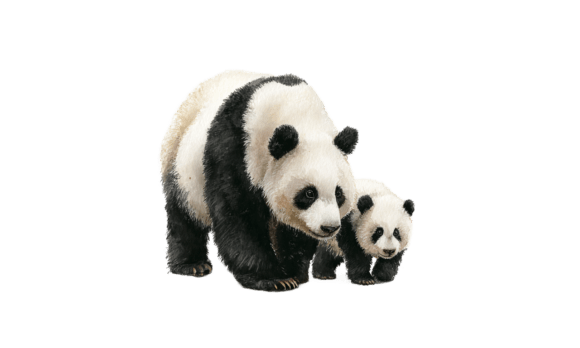
The immediate strength of Panda Mom Cub Watercolor Art lies in its emotional resonance. The tender interaction between mother and cub offers a narrative quality that customers actively seek in baby embroidery and holiday gifts. Visually, the piece relies on organic edges and subtle shading rather than harsh outlines. For an embroidery project, this suggests a move away from traditional heavy satin stitch borders. Instead, this graphic calls for a combination of fill stitch and running stitch to mimic the bleeding effect of watercolor paint.
From a design perspective, the layout is balanced but detailed. The lifelike detail mentioned in the product description implies that small facial features and fur textures are significant. In a digital embroidery file derived from this art, these areas will require high-resolution digitizing. If you are using this as a base for custom apparel or sweatshirt embroidery, be aware that watercolor gradients often necessitate complex thread changes. You must verify if the digitized version utilizes color blending techniques or if it relies on flat fills, as this drastically affects the perceived quality of the final handmade product.
Real-World Application: The Nursery Tote Test
To properly evaluate this asset, I mentally applied it to a recent client request: a premium canvas tote bag intended as a personalized gift for new mothers. This scenario tests both visual appeal and structural integrity. Canvas provides a stable foundation, but its coarse weave can swallow fine details. When adapting Panda Mom Cub Watercolor Art for this tote bag design, I found that scaling is critical. Reducing the image below 4 inches risks losing the definition of the cub’s expression, turning a realistic illustration into an indistinct blob of thread.
For this specific application, the design serves as an excellent anchor for commercial embroidery. The subject matter aligns perfectly with the target demographic of Etsy sellers and boutique owners focusing on eco-friendly or nature-inspired themes. However, because watercolor art lacks bold containment lines, I recommend pairing it with simple, clean typography. Adding a name in a minimalist font complements the organic feel without competing for attention. This balance is essential for maintaining brand consistency and ensuring the embroidered patch or direct-to-garment print looks professional rather than cluttered.
Fabric Compatibility and Stabilizer Strategy
Not all textiles welcome watercolor-style embroidery. Through experience, I have found that designs like Panda Mom Cub Watercolor Art perform exceptionally well on natural fibers like cotton, linen, and canvas. These fabrics absorb the visual weight of dense stitching gracefully. Conversely, I advise extreme caution when applying this to stretchy knits or performance wear. The intricate fill stitches required to replicate watercolor shading create a stiff area that can distort lightweight jersey fabric, leading to puckering even with proper stabilizer use.
If you are planning sweatshirt embroidery or baby clothes featuring this art, always opt for a cut-away stabilizer rather than tear-away. The complexity of the design demands permanent support to prevent the fabric from pulling during the wash cycle. For dark fabrics, this particular graphic presents a challenge. Watercolor art typically assumes a white background. Stitching this on black or navy requires either a white underlay base (which adds significant density) or selecting a modified version of the embroidery file designed specifically for dark garments. Always test on scrap fabric first to ensure the thread colors pop against your chosen material.
Critical Considerations for Small Business Owners
For creative entrepreneurs and craft business owners, understanding the limitations of this graphic is as important as appreciating its beauty. Before listing a finished product or selling digital embroidery files based on this art, consider the following practical constraints:
- Hoop Size Verification: Ensure your machine can accommodate the full design without excessive re-hooping. Multi-position hooping increases the risk of alignment errors, which ruins the seamless look of watercolor art.
- Detail Retention: Inspect the smallest elements of the panda’s face. If the digitizing uses tiny satin stitches under 1mm, they may sink into textured fabrics. Request a sew-out sample or run a test stitch on similar material before bulk production.
- Thread Color Matching: Watercolor illustrations often require 15+ thread colors to achieve depth. Confirm your machine’s capacity and check if the design assets include a precise color chart. Generic substitutions can flatten the image.
- Licensing Clarity: Verify whether your purchase includes commercial rights for physical products versus digital redistribution. Many illustrators restrict the resale of the digital embroidery file itself while permitting sales of the stitched end product.
- Wash Durability: Complex fill stitches can snag. For items like kitchen towels or baby blankets that face frequent laundering, ensure the design has adequate tack-down stitches to prevent fraying over time.
Enhancing Product Value and Customer Trust
Ultimately, Panda Mom Cub Watercolor Art succeeds because it elevates standard merchandise into something collectible. In a saturated market of generic vector bears, a realistic, artistically rendered panda creates immediate differentiation. For Etsy sellers and small shop owners, this level of artistic integrity signals quality to buyers. It transforms a basic tote bag or pillow cover into a keepsake. When presenting this design to clients, use printable mockups to show scale accurately, but always pair them with photos of actual stitch-outs. Customers trust what they can see translated into thread.
The versatility of this illustration also supports diverse revenue streams. It works equally well as a standalone framed hoop art piece, a decorative accent on an apron, or part of a larger nursery theme collection. By treating this graphic as a premium asset rather than a clip-art filler, you justify higher price points and build a reputation for thoughtful curation. Just remember that the success of any watercolor embroidery project hinges on respecting the technical boundaries of the medium. Validate your stabilizer choices, honor the minimum size requirements, and ensure your thread palette captures the gentle beauty inherent in the original artwork. When executed with precision, Panda Mom Cub Watercolor Art is more than just a design; it is a reliable foundation for meaningful, high-quality handmade goods.